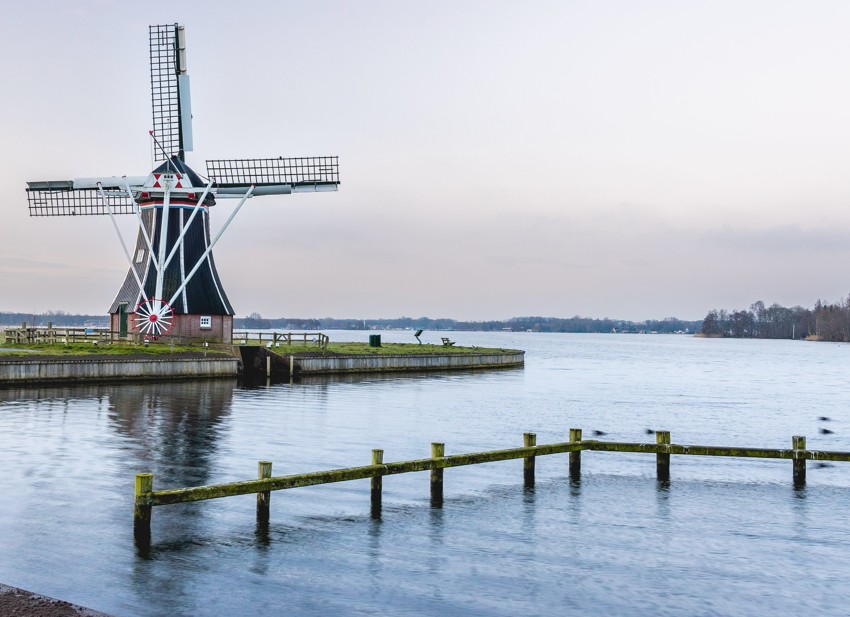
Company Incorporation in the Netherlands for International Businesses

WVT helps and advises multinationals, familly offices, holding and finance companies and PE funds with company incorporations in Luxembourg — from entity selection to full regulatory and statutory (tax and accounting) compliance.

Incorporating a Dutch BV for International Businesses

Dutch BV incorporation requires a notarial deed, Chamber of Commerce registration, and tax registration with the Belastingdienst. WVT coordinates each step for international clients, including those establishing a first Dutch presence, reducing the risk of procedural delays at the formation stage.

Legal and Tax Decisions That Shape Your Structure

The choices made at incorporation — share structure, director appointments, fiscal unity eligibility, and substance arrangements — carry lasting consequences for group structure and Dutch tax residency. WVT’s attorneys and tax advisors address each of these before the notarial deed is executed, not after the entity is registered. International clients working with WVT avoid the coordination gaps that arise when legal formation and tax advisory are handled by separate advisors. Both workstreams run concurrently within a single engagement.

Our expertise

WVT’s corporate and tax practice advises international businesses, private equity firms, and multinational groups on legal entity establishment across the Netherlands, Luxembourg, and Switzerland. Our attorneys and tax advisors combine notarial coordination, corporate law, and Dutch tax advisory in a single integrated practice.

Legal Formation

Dutch BV and NV formation requires coordinated execution across notarial, corporate, and regulatory workstreams. WVT drafts articles of association, manages the notarial deed, completes KvK registration, and advises on director appointments, share capital structure, and any regulatory filings required prior to or concurrent with incorporation.

Tax Advisory

Dutch BV incorporation triggers immediate corporate tax considerations — fiscal unity eligibility, VAT registration, transfer pricing obligations, and the substance requirements that determine whether the entity will be respected by Dutch and foreign tax authorities. WVT’s tax advisors address each of these at the formation stage, not retrospectively.

Cross-Border Structuring

For multinationals and PE-backed groups, Dutch incorporation is rarely a standalone event. WVT advises on the Netherlands as a holding jurisdiction, treaty network positioning, and cross-border migration or inversion structures where the Dutch BV forms part of a wider international reorganisation.

Trusted by top 500 Fortune companies worldwide

The Netherlands as a European Holding Jurisdiction

North American, Asian, and Middle Eastern groups regularly select the Netherlands for its participation exemption regime, extensive tax treaty network, and stable corporate law framework. WVT advises on entity selection and structural design for international groups establishing a Dutch holding or operating presence.

Structuring for Substance, Efficiency, and Compliance

Luxembourg and Swiss holding structures are frequently considered alongside a Dutch BV — WVT advises on jurisdiction selection based on the group’s treaty requirements, financing arrangements, and operational footprint, rather than defaulting to a single jurisdiction without analysis. WVT’s attorneys and tax advisors work directly with in-house counsel and CFOs to ensure the chosen structure meets Dutch substance requirements, satisfies group-level reporting obligations, and remains defensible under both Dutch and home-country tax rules from the outset.

FAQ's

What is the minimum share capital required to incorporate a Dutch BV?
Dutch law permits incorporation of a BV with a minimum share capital of €0.01, though WVT advises clients on appropriate capitalisation relative to the entity’s intended activities, substance profile, and group financing structure. Undercapitalisation can create complications with the Belastingdienst and third-party counterparties at a later stage.
A straightforward Dutch BV incorporation typically completes within five to ten business days once all required documentation is in order. WVT coordinates directly with the notary and the Chamber of Commerce to manage the timeline. For clients with an accelerated requirement, WVT advises on available options at the outset.
Dutch corporate law does not mandate a resident director, but protection of the Netherlands’ tax treaty network depends on substance criteria that go beyond legal form. WVT advises international clients on management and control requirements, board composition, and the level of local substance required to support the entity’s intended Dutch tax residency position.
WVT’s corporate and tax practices operate as an integrated team — legal formation, corporate tax registration, VAT, and payroll tax where applicable are handled within a single coordinated engagement. International clients working with WVT avoid the structural gaps and timeline delays that arise when legal and tax advisors operate independently.
Following incorporation, a Dutch BV is subject to annual financial statement filing, corporate income tax returns, and — depending on the entity’s activities — VAT and payroll obligations. WVT’s compliance practice can be retained to manage Dutch statutory and tax filings on an ongoing basis, ensuring the entity remains in good standing with Dutch authorities.

Ready to Incorporate in the Netherlands? Our Team Is.

Latest News

Previous

Next

Previous

Next